Homzly came to us at a critical stage.
They were building a large-scale real estate platform, but the existing designs created by a previous agency weren’t working. The experience lacked consistency, scalability, and clarity.
With timelines already tight, the brief was simple but demanding:
Rebuild the entire design system and deliver a fully functional prototype fast.
Homzly came to us at a critical stage.
They were building a large-scale real estate platform, but the existing designs created by a previous agency weren’t working. The experience lacked consistency, scalability, and clarity.
With timelines already tight, the brief was simple but demanding:
Rebuild the entire design system and deliver a fully functional prototype fast.
Project Goal
Project Goal
Once we reviewed the existing work, it was clear this wasn’t just a redesign.
This was a reset.
The goal was to:
Establish a clear and scalable design system
Bring consistency across hundreds of screens
Improve usability across complex user flows
And deliver a working prototype ready for development
All within a 2-week deadline.
Once we reviewed the existing work, it was clear this wasn’t just a redesign.
This was a reset.
The goal was to:
Establish a clear and scalable design system
Bring consistency across hundreds of screens
Improve usability across complex user flows
And deliver a working prototype ready for development
All within a 2-week deadline.
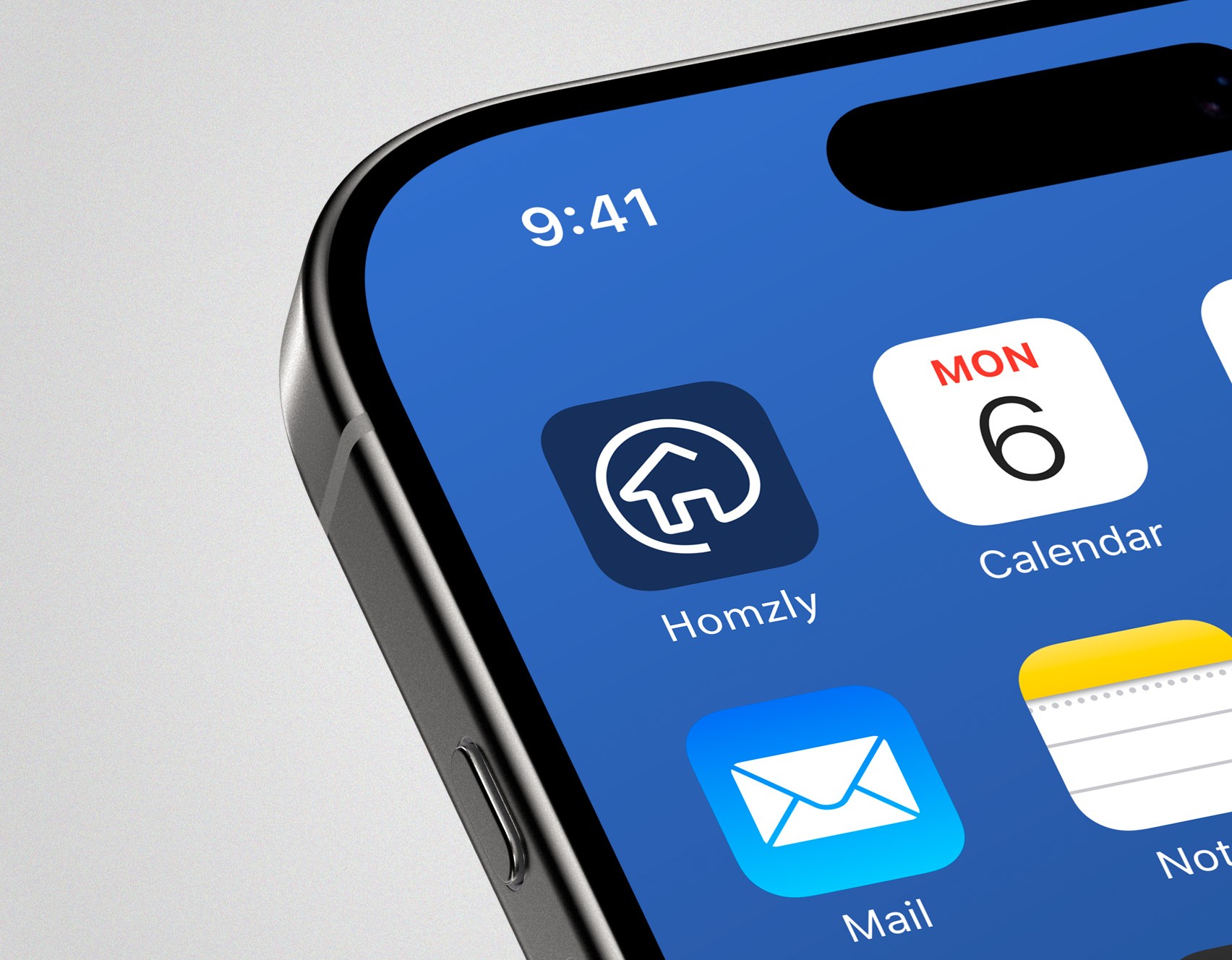
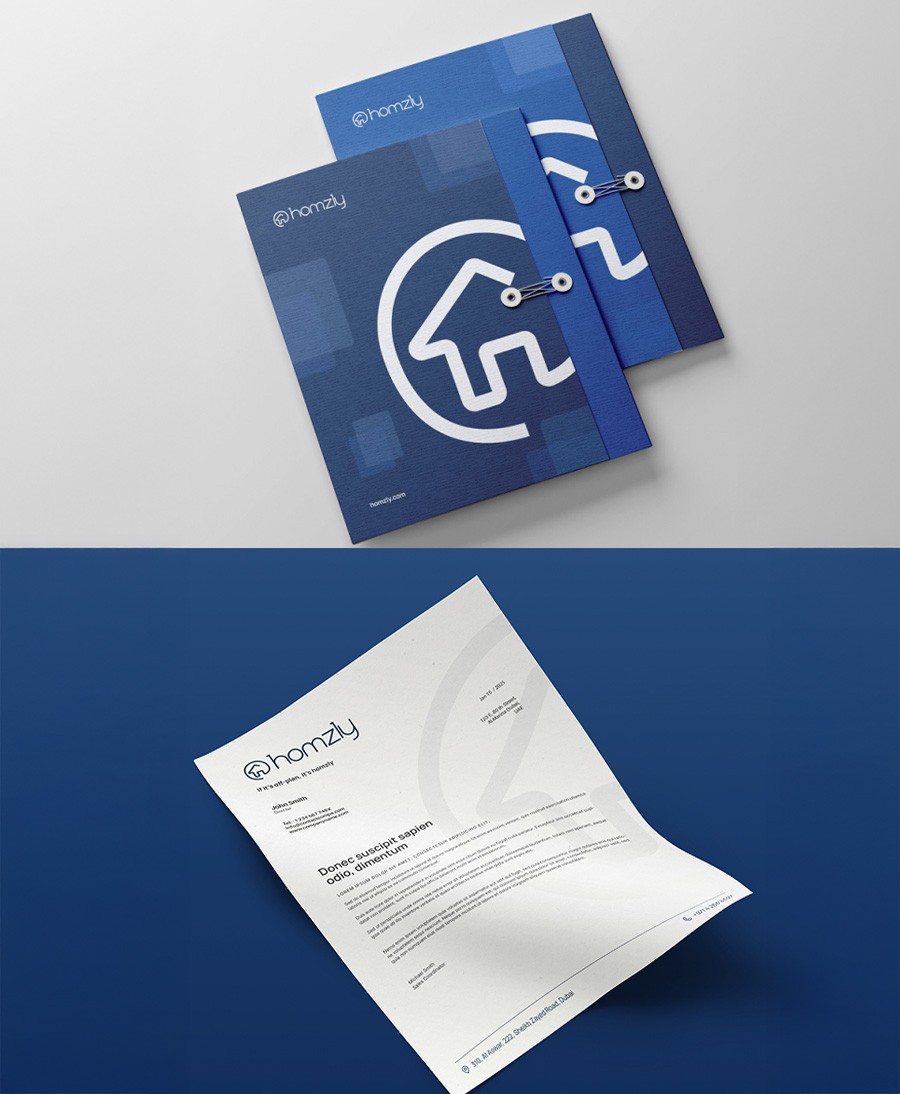
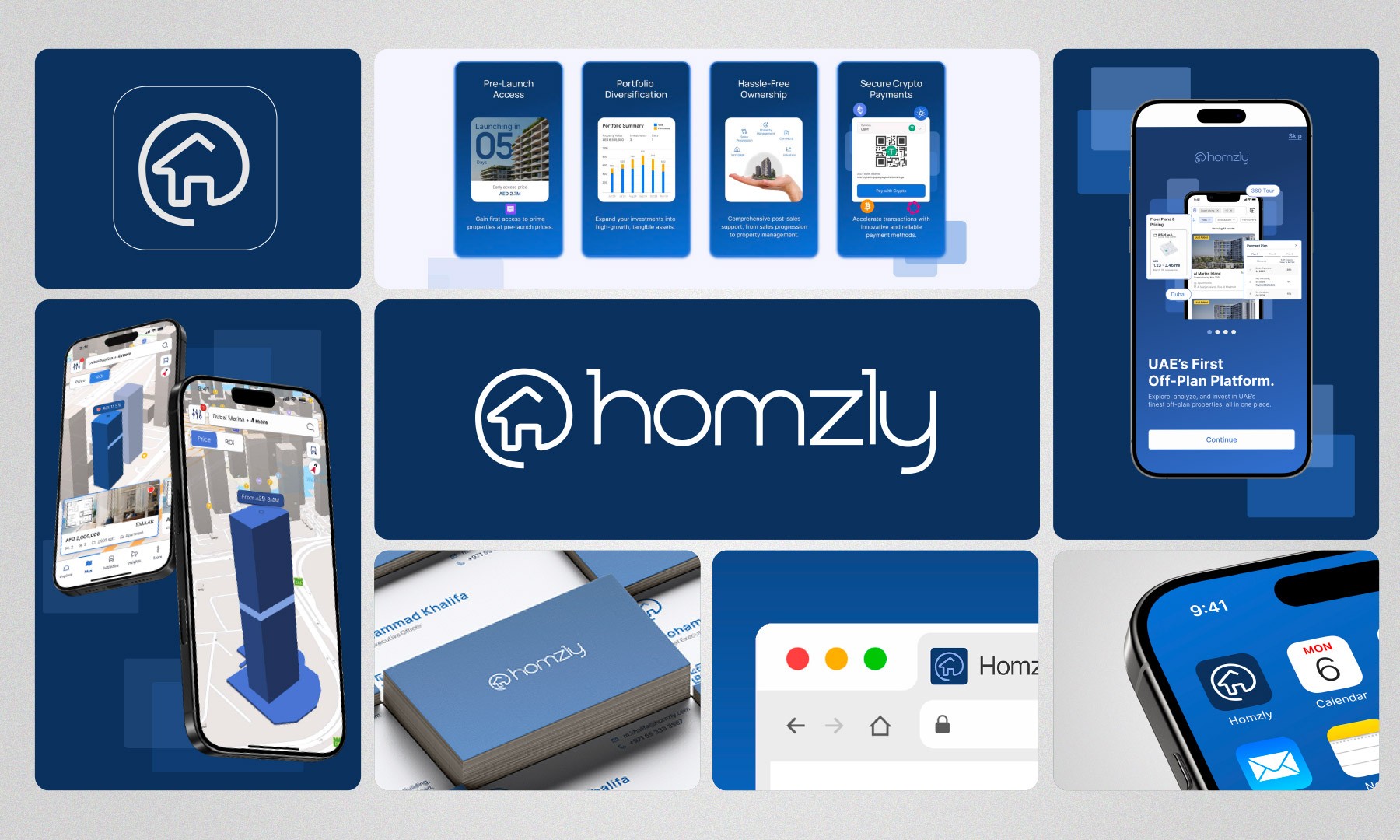
We built a brand that could scale.
We built a brand that could scale.
Before jumping into screens, we had to fix something more fundamental the brand itself.
The existing identity lacked consistency and structure, which made it difficult to scale across a product with hundreds of screens. In a platform like Homzly, branding isn’t just about visuals, it directly impacts usability, trust, and clarity.
So we focused on building a system, not just a logo.
Before jumping into screens, we had to fix something more fundamental the brand itself.
The existing identity lacked consistency and structure, which made it difficult to scale across a product with hundreds of screens. In a platform like Homzly, branding isn’t just about visuals, it directly impacts usability, trust, and clarity.
So we focused on building a system, not just a logo.
Speed wasn’t just a constraint, it became part of the solution.
Speed wasn’t just a constraint, it became part of the solution.
Instead of designing screens individually, we approached the project as a system.
We:
Built reusable components from day one
Defined a structured design language early
Created flexible layouts that could scale across use cases
This allowed us to move quickly without breaking consistency. Because when you’re dealing with 500+ screens, speed without structure leads to chaos.
Instead of designing screens individually, we approached the project as a system.
We:
Built reusable components from day one
Defined a structured design language early
Created flexible layouts that could scale across use cases
This allowed us to move quickly without breaking consistency. Because when you’re dealing with 500+ screens, speed without structure leads to chaos.
At the core of the project was the design system.
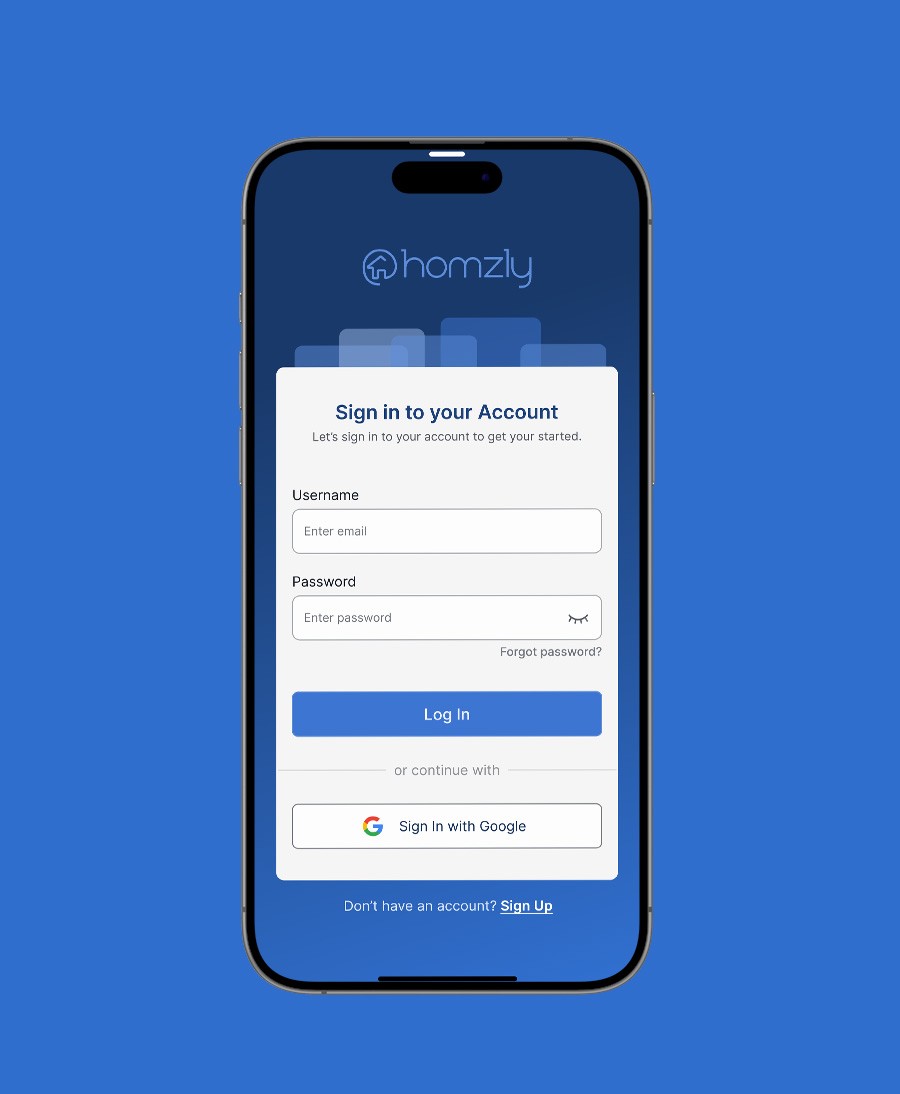
At the core of the project was the design system.
Rather than focusing only on UI, we created a foundation that the product could grow on.
This included:
Component libraries for repeated patterns
Typography and spacing systems
Color and interaction guidelines
Standardised layouts for different user flows
The goal was simple, make the product easier to build, maintain, and scale.
Rather than focusing only on UI, we created a foundation that the product could grow on.
This included:
Component libraries for repeated patterns
Typography and spacing systems
Color and interaction guidelines
Standardised layouts for different user flows
The goal was simple, make the product easier to build, maintain, and scale.
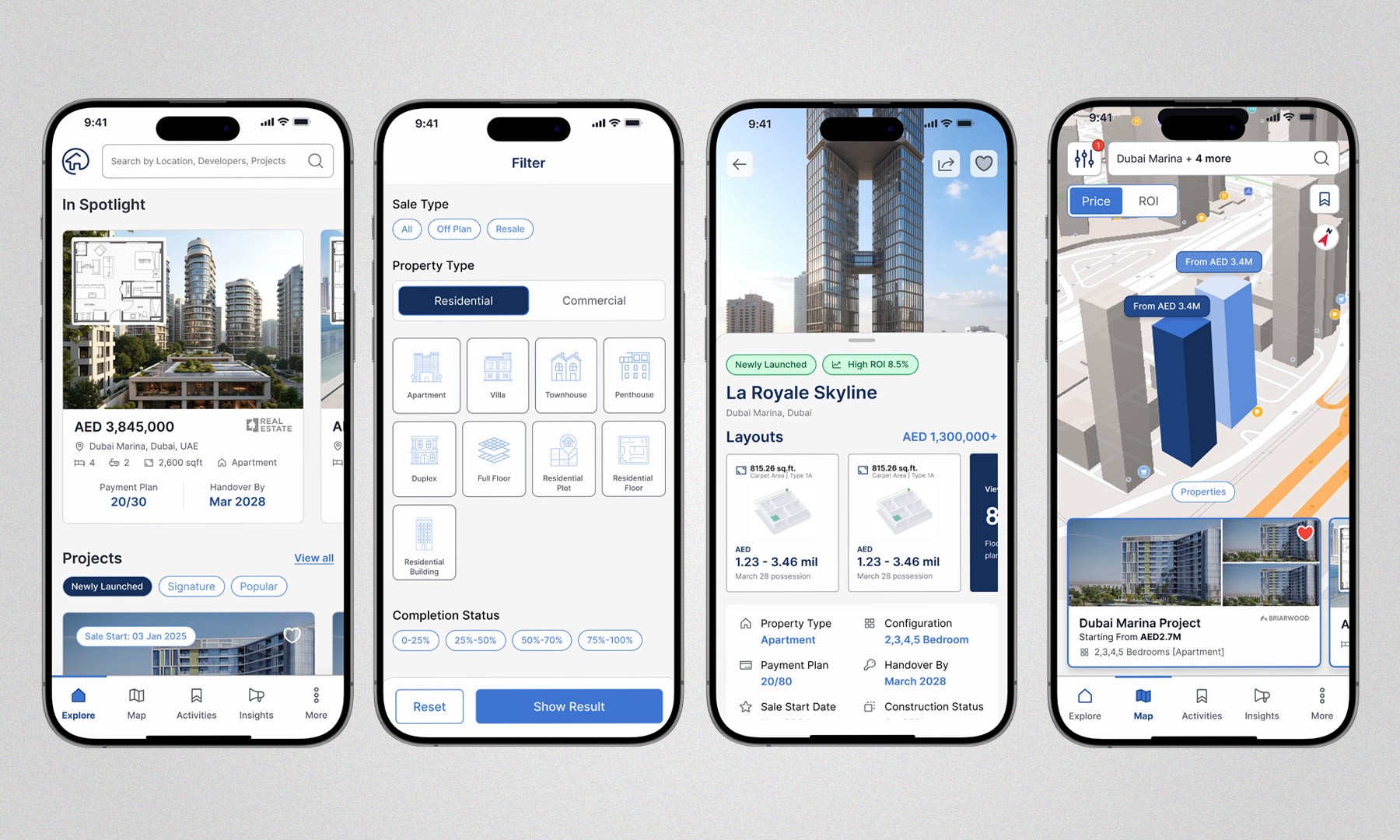
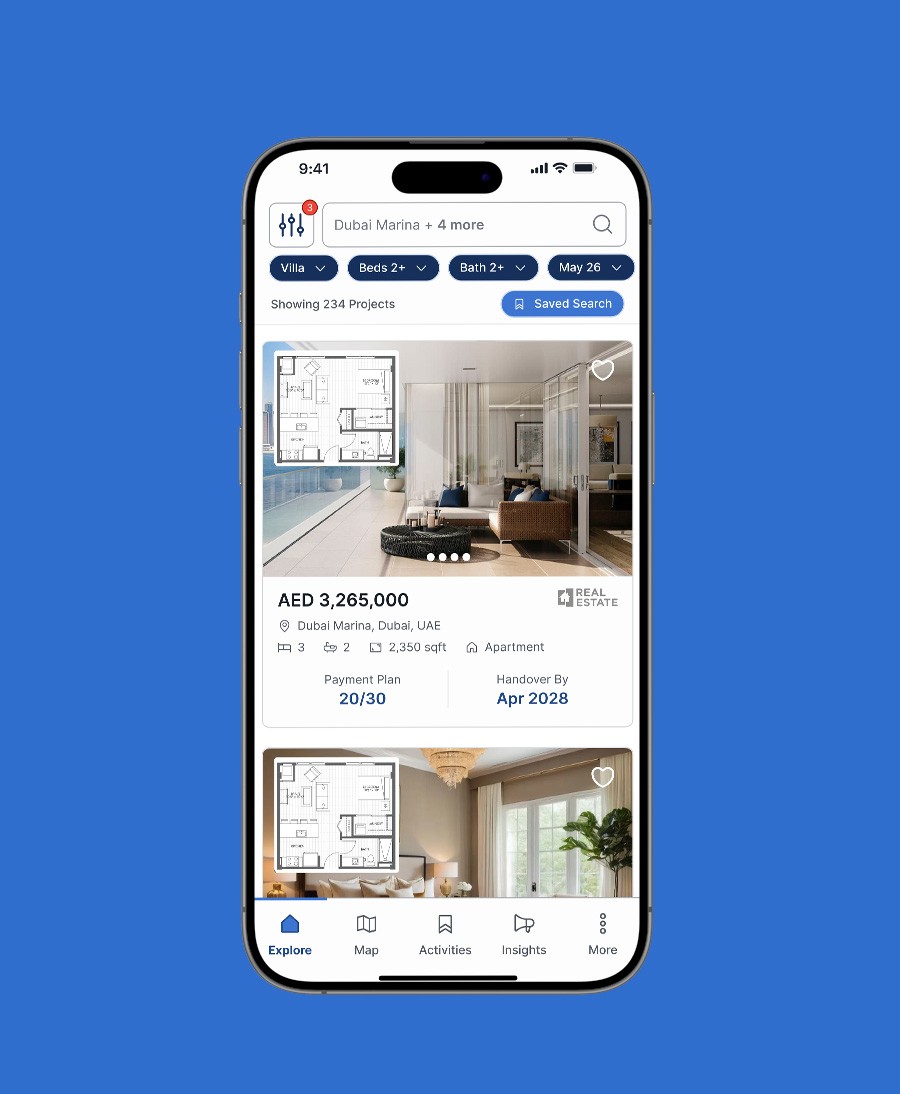
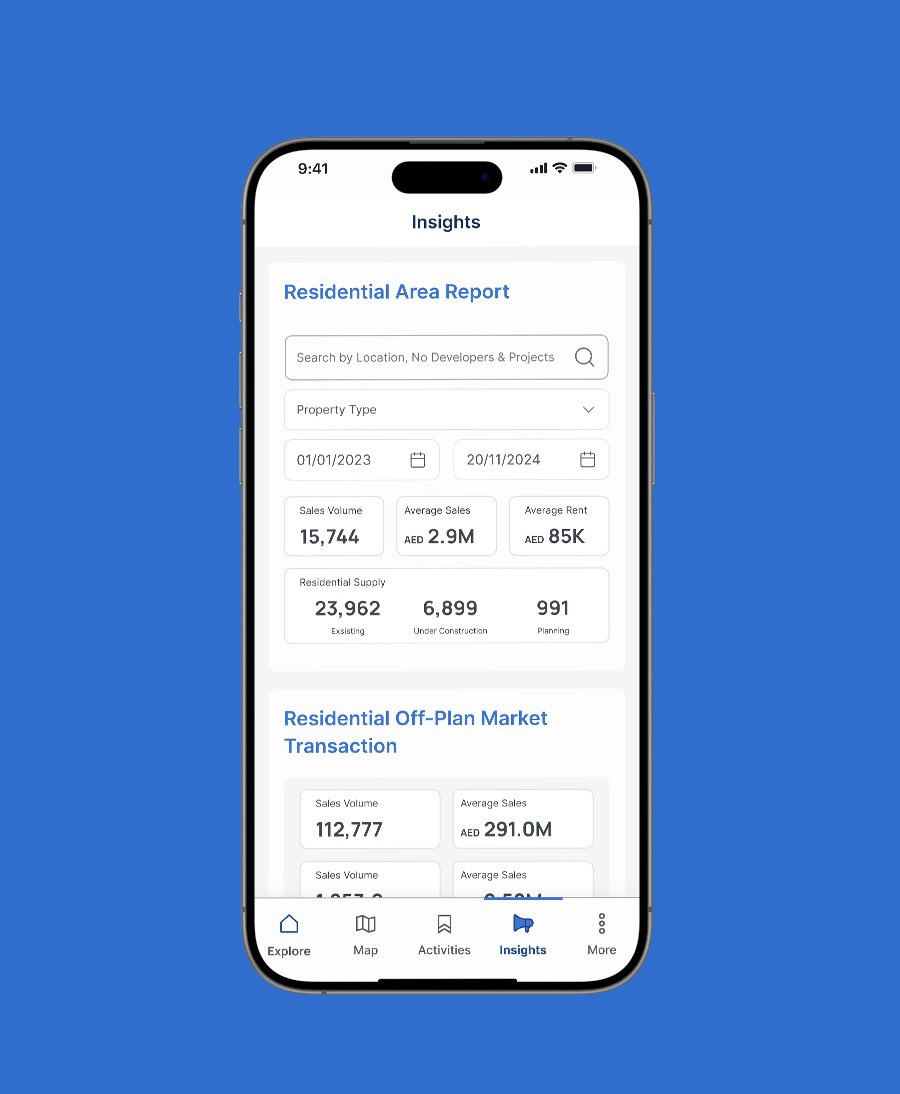
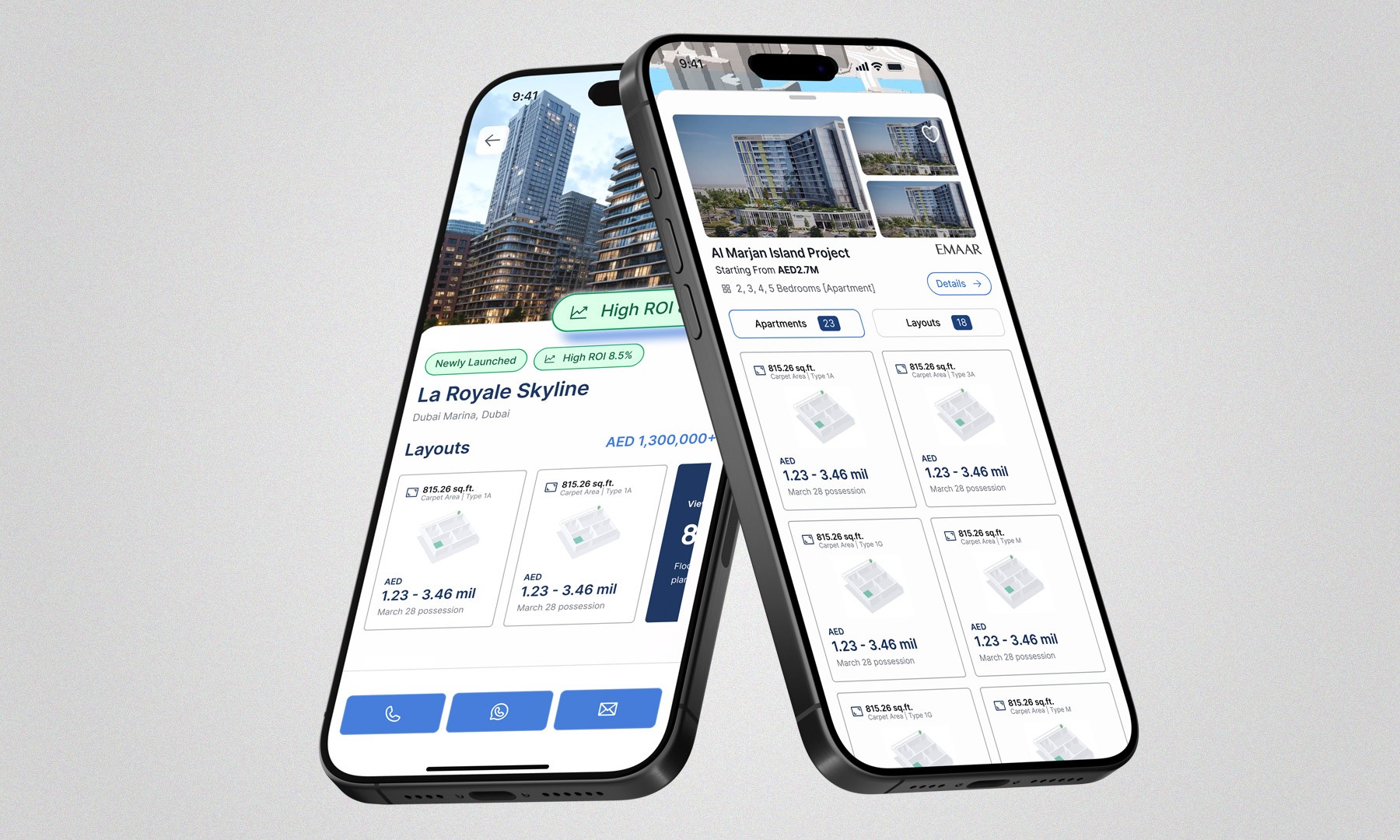
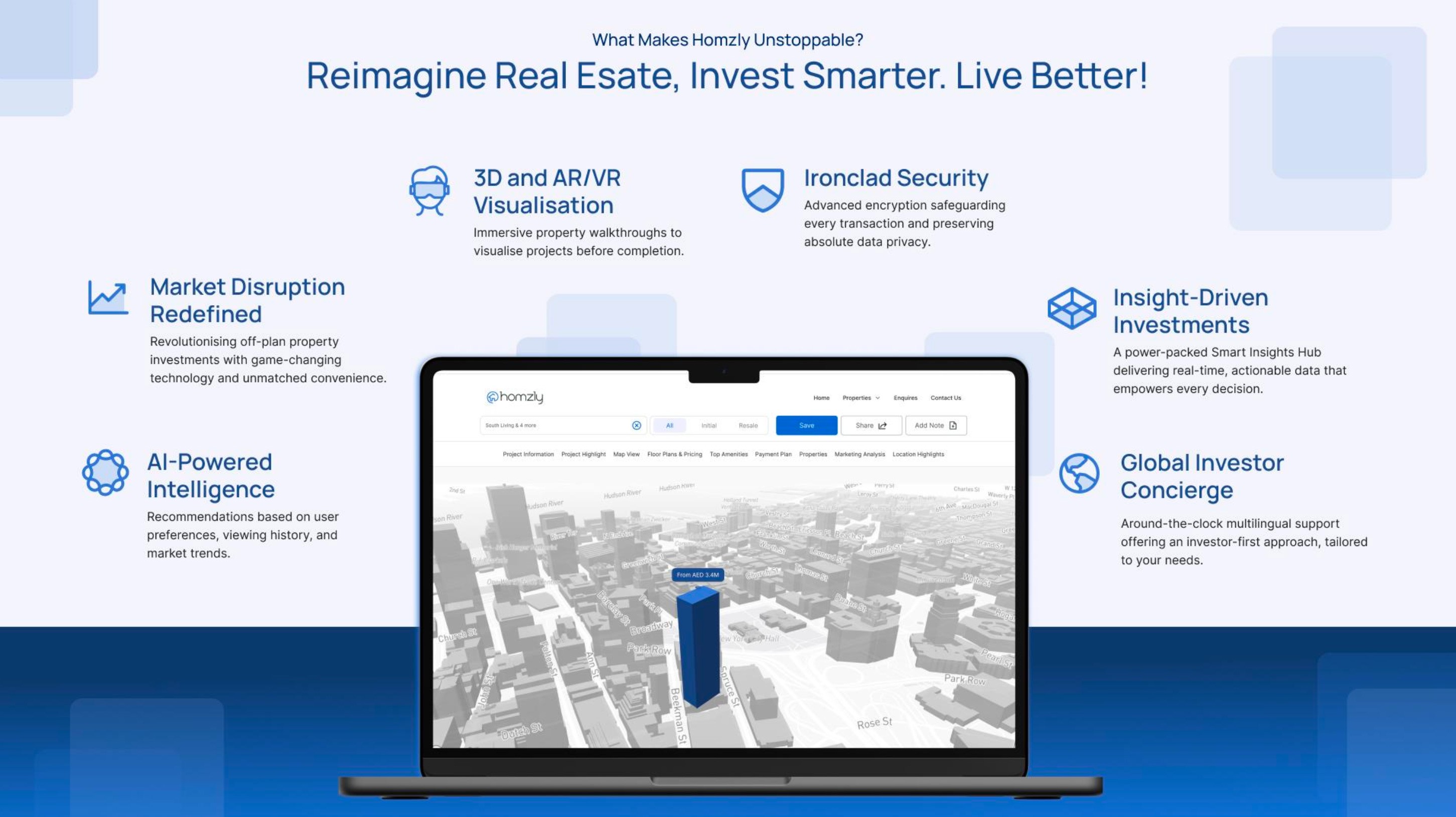
The platform included over 500+ screens, covering multiple user journeys from property discovery to detailed listings and user interactions.
The platform included over 500+ screens, covering multiple user journeys from property discovery to detailed listings and user interactions.
Managing this level of complexity required:
Clear hierarchy across all pages
Consistent interaction patterns
Predictable user flows
Instead of designing each screen in isolation, everything was built as part of a connected system. So no matter where a user enters the platform, the experience feels familiar and intuitive.
Managing this level of complexity required:
Clear hierarchy across all pages
Consistent interaction patterns
Predictable user flows
Instead of designing each screen in isolation, everything was built as part of a connected system. So no matter where a user enters the platform, the experience feels familiar and intuitive.
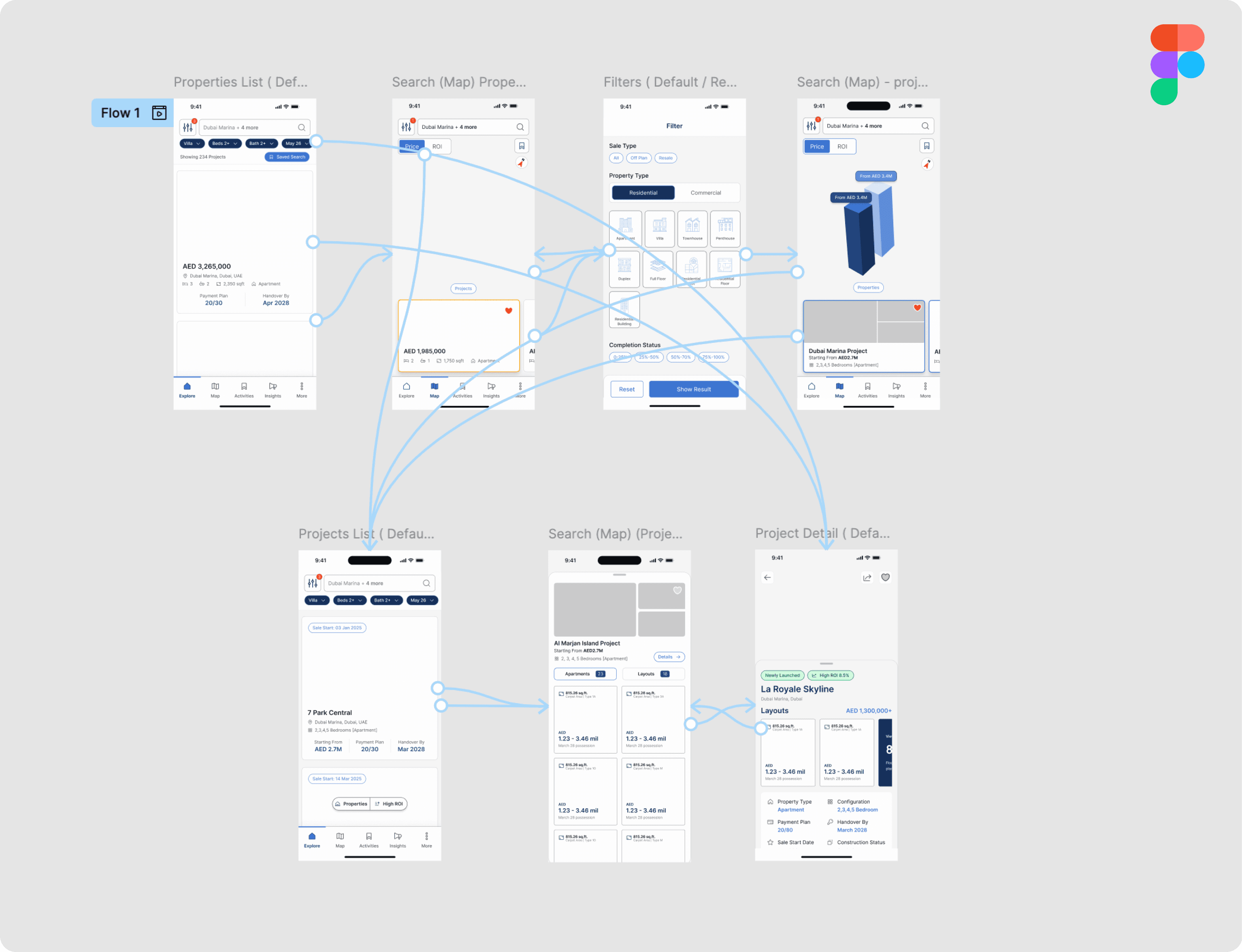
Beyond static design, we delivered a fully interactive prototype in Figma.
Beyond static design, we delivered a fully interactive prototype in Figma.
This allowed the client to:
Visualise the entire product flow
Test interactions before development
Align internal teams and stakeholders
Reduce ambiguity during handoff
In fast-moving projects, a working prototype becomes a critical tool, not just for design, but for decision-making.
This allowed the client to:
Visualise the entire product flow
Test interactions before development
Align internal teams and stakeholders
Reduce ambiguity during handoff
In fast-moving projects, a working prototype becomes a critical tool, not just for design, but for decision-making.
Result
Result
Delivering a project of this scale in two weeks required a different way of working.
Rapid iteration cycles
Constant alignment with the client
Prioritisation of high-impact flows first
Designing with development in mind
The focus wasn’t perfection on day one, it was building a system that could evolve quickly.
In just two weeks, the project moved from fragmented designs to a structured, scalable product.
A complete design system
500+ screens unified under one approach
A working prototype ready for development
More importantly, the client now had clarity on the product, the experience, and the path forward.
Delivering a project of this scale in two weeks required a different way of working.
Rapid iteration cycles
Constant alignment with the client
Prioritisation of high-impact flows first
Designing with development in mind
The focus wasn’t perfection on day one, it was building a system that could evolve quickly.
In just two weeks, the project moved from fragmented designs to a structured, scalable product.
A complete design system
500+ screens unified under one approach
A working prototype ready for development
More importantly, the client now had clarity on the product, the experience, and the path forward.